
Detroit Immigration Court: The Complete 2026 Guide
Where the Detroit Immigration Court is, how to check your case and hearing format, what WebEx hearings require, and what the 2026 backlog means for your case.
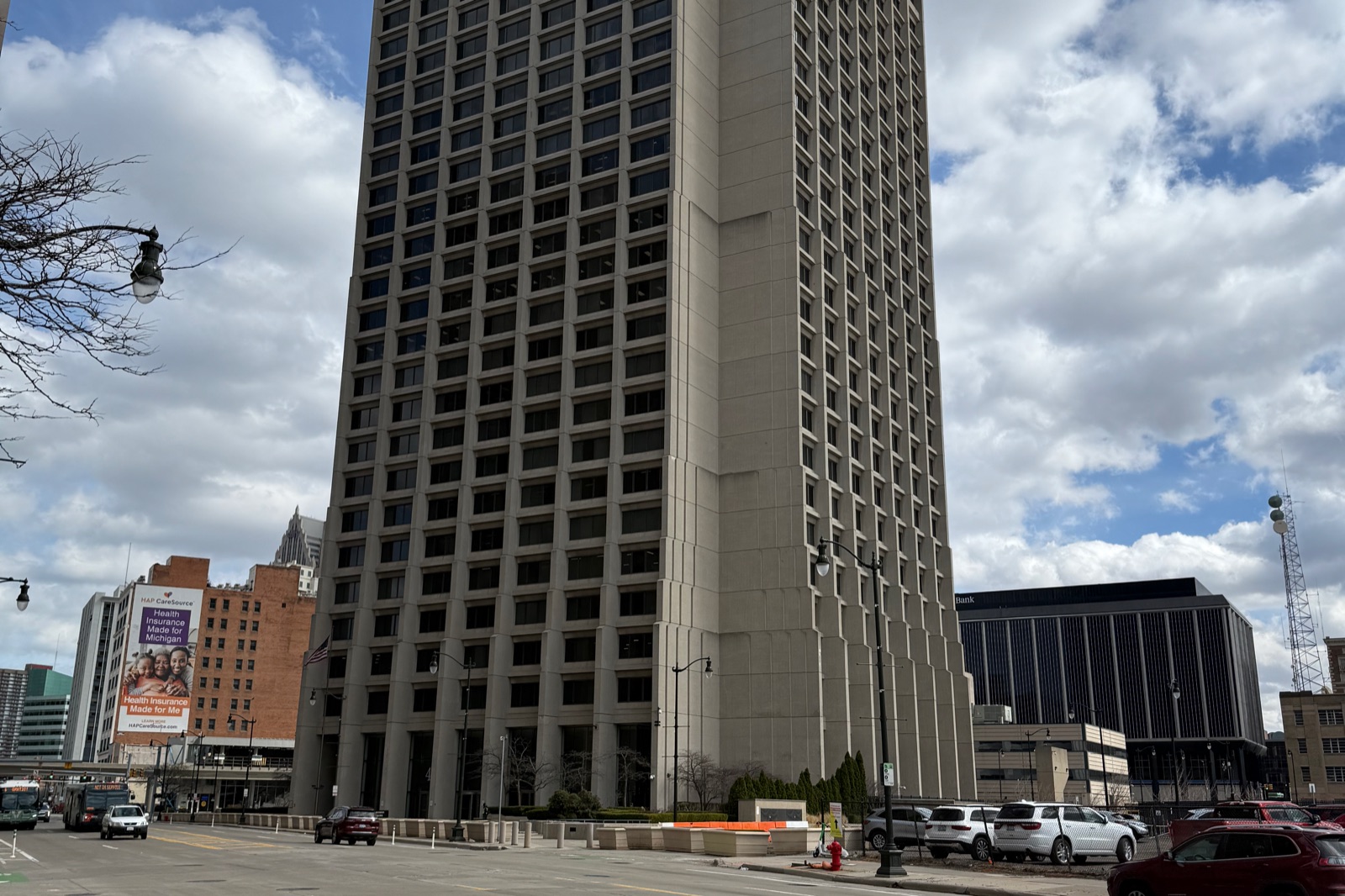
If you or a family member has a case before the Detroit Immigration Court, the practical details matter: where the court is, how to confirm the hearing format, how to reach the court, and how long cases actually take in 2026. This guide collects the logistics in one place and explains what has changed this year. It complements our companion guide on what happens inside a Detroit immigration court hearing and how to prepare.
Location, hours, and contact information
The Detroit Immigration Court is run by the Executive Office for Immigration Review (EOIR), part of the U.S. Department of Justice. It is a federal administrative court, separate from USCIS, from ICE, and from Michigan’s state courts.
- Address: 477 Michigan Avenue, Suite 440, Detroit, MI 48226
- Public hours: 8 a.m.–4:30 p.m. Monday through Thursday; 8 a.m.–4 p.m. Friday
- Window filing hours: 8 a.m.–4 p.m.
- Phone: 313-226-2603
- General inquiries email: Detroit.Immigration.Court@usdoj.gov
The court is closed on federal holidays and can close unexpectedly for weather or other emergencies. Before traveling, check EOIR’s operational status page for closures and schedule changes.
The court does not accept faxes or unsolicited electronic submissions. Unless court staff or the immigration judge specifically requested a transmission, it is discarded without becoming part of the record — so filings generally happen at the window, by mail, or through EOIR’s electronic filing system for registered representatives.
Getting there: parking, transit, and security
EOIR’s court page describes two-hour metered parking near the building and adjacent surface lots that charge roughly $5–10 per day. The Detroit People Mover stops across from the building on Cass Avenue.
Every visitor passes through security screening — a metal detector and bag screening — each time they enter, and shoes may need to come off. Food and drinks are not allowed unless the immigration judge specifically permits them, and cameras and recording devices are prohibited in courtrooms and other EOIR space. Build in time for parking and screening so you can check in at Suite 440 before your scheduled hearing time; arriving late can have serious consequences in removal proceedings.
How to check your case, hearing date, and judge
Three official sources matter more than anything you hear informally:
- Your newest hearing notice. It is the official statement of your hearing date, time, location, and format.
- EOIR’s Automated Case Information System, searchable with your A-Number, or the automated phone line at 800-898-7180.
- The court itself, through the phone number and email above.
EOIR cautions that its online system may not show every case or every detail, so treat the notice as controlling and call the court when sources conflict. To find out which immigration judge is assigned to your case, use the case lookup or your notice; EOIR also publishes a staff directory for the Detroit court. Judge assignments and calendars change, so rely on the most recent official information rather than a list that may be out of date.
If you move, EOIR generally requires you to update your address with the court within five days using Form EOIR-33/IC or Respondent Access. Updating USCIS, ICE, or the Postal Service does not update the immigration court.
WebEx and internet-based hearings
Not every Detroit hearing happens in the physical courtroom. EOIR conducts some hearings as internet-based hearings using Webex by Cisco. The judge may appear remotely, one or both parties may appear remotely, or everyone may appear by video, depending on the case and the judge’s instructions. Access details for internet-based hearings are posted through EOIR’s immigration court information pages.
Practical points for a WebEx hearing:
- Your notice controls the format. If it says internet-based, use the link or access information the court provides; if it says in person, appear in person. Changing format without the judge’s permission risks being treated as a failure to appear.
- Join early and test your setup. Use a reliable connection, a charged device, and a quiet room. Have your documents with you, organized the same way you would bring them to court.
- Members of the public may observe most hearings, but observers are expected to keep cameras off and microphones muted.
- Telephonic access, where the court allows it, runs through EOIR’s national dial-in line with a case-specific access code.
If technology fails on the day of the hearing, call the court immediately and document your attempts. Do not assume a dropped connection excuses your appearance.
The 2026 backlog: what it means for your case
The national immigration court backlog passed three million pending cases in 2026, according to TRAC’s immigration court data, and reporting on the Detroit court describes more than 31,000 pending cases before a small bench of immigration judges. Nationally, cases commonly wait years from filing to final decision, and contested Detroit cases are no exception.
For respondents, the backlog cuts both ways:
- Long waits are normal. A hearing set years out does not mean your case was forgotten or dropped.
- Deadlines still arrive quickly. Judges set filing deadlines for applications and evidence long before the individual hearing, and the EOIR Policy Manual governs how filings must be made.
- Delay is not a strategy. Relief applications, changes in the law, and changes in your own circumstances all need to be evaluated as the case ages. Asylum grant rates in Detroit have fallen sharply in recent reporting, which makes early, realistic case assessment more important, not less.
Our guide to preparing for a Detroit immigration court hearing covers master calendar and individual hearings in detail.
Enforcement at and near the court in 2026
Since 2025, arrests by federal immigration officers at or near immigration courts have been reported nationally, including incidents reported outside Detroit courtrooms after case dismissals. In some reported cases, government attorneys moved to dismiss a case and officers then detained the person for other proceedings.
Two points of Michigan context:
- In 2026, the Michigan Supreme Court adopted a rule limiting civil arrests at state courthouses. That rule applies to Michigan’s state courts. The Detroit Immigration Court is a federal facility, and the state rule does not govern it.
- Missing your immigration hearing is not a protective step. Failing to appear can lead to a removal order issued in your absence, which generally makes the situation worse and harder to fix.
What this means in practice: talk with a qualified immigration attorney before the hearing about your history, any prior orders, and how a dismissal or continuance could affect you. An attorney can also discuss whether an internet-based appearance is available and appropriate in your case. Families who want to be ready for the possibility of detention can review our guide on what to do if a family member is detained by ICE in Michigan.
Asylum EAD clock issues
Asylum applicants whose work-permit eligibility depends on the asylum clock can raise clock errors with the Detroit court through a dedicated mailbox, Asylum.Clock.Detroit@usdoj.gov, including the applicant’s name, A-Number, and the reason the clock should be adjusted. The court answers only clock requests at that address; anything else goes to the general inquiries email.
Working with counsel at the Detroit Immigration Court
Immigration court does not provide a free government lawyer. You may hire an attorney or work with an EOIR-accredited representative, and EOIR maintains a list of pro bono legal service providers. Avoid notarios and unlicensed consultants; they cannot represent you before the court.
Mann Law Group represents clients before the Detroit Immigration Court in removal, asylum, and related matters. Learn more about our deportation defense practice, our Detroit office and team, or contact the firm to review your hearing notice and next deadline.
Frequently asked questions
Where is the Detroit Immigration Court and when is it open?
Is there parking at the Detroit Immigration Court?
How do I know if my Detroit immigration court hearing is on WebEx?
How do I find out which immigration judge has my case?
Can ICE arrest people at the Detroit Immigration Court?
Related articles

What Happens at a Detroit Immigration Court Hearing — and How to Prepare
Read article ->
What to Do If a Family Member Is Detained by ICE in Michigan
Read article ->